The Benefits of Yoga: A Complete Guide to Building a Regular Practice
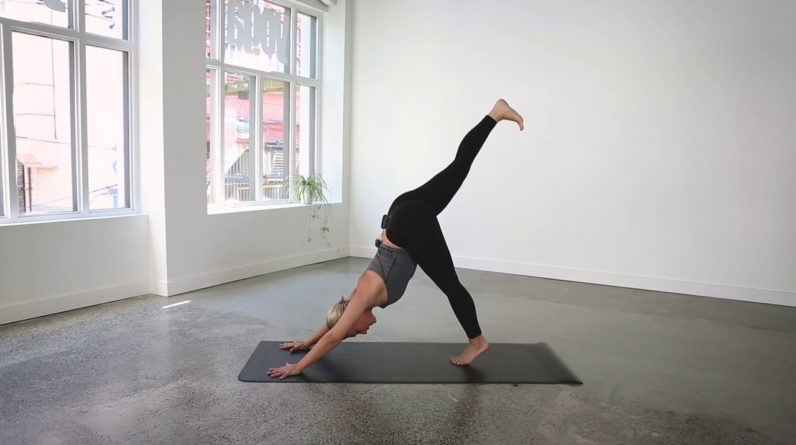
Yoga has moved from niche practice to mainstream wellness staple over the past few decades, and for good reason. What began thousands of years ago as a spiritual and philosophical discipline has evolved into one of the most accessible, adaptable forms of movement available today, practiced by people of every age, fitness level, and body type.
Despite its popularity, yoga is still widely misunderstood. Some picture it as purely gentle stretching, while others assume it requires exceptional flexibility just to get started. In reality, yoga is a broad, flexible practice that can be tailored to nearly any goal, from stress relief and mobility to serious strength building, and it welcomes complete beginners just as readily as advanced practitioners.
What Yoga Actually Is
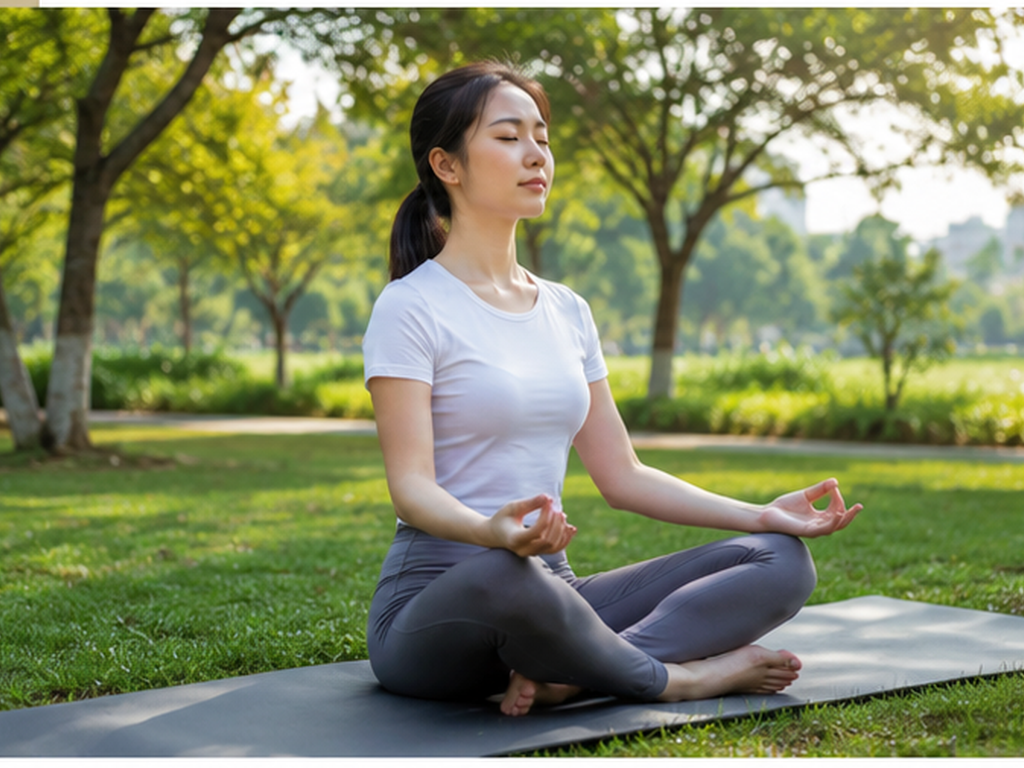
At its core, yoga combines physical postures (asanas), controlled breathing (pranayama), and focused attention into a single practice. While modern yoga classes in the West often emphasize the physical postures, traditional yoga is a more holistic system encompassing breath control, meditation, and ethical principles.
For most people starting out, the physical practice is the natural entry point. Postures range from simple, grounding stretches to challenging balances and strength-based sequences, which is part of why yoga styles vary so dramatically from one class to the next.
The Many Styles of Yoga
One of the most common points of confusion for beginners is the sheer number of yoga styles available. Understanding the basic differences helps in choosing a starting point that actually fits your goals.
Hatha yoga is a general term for physical yoga practices, often used to describe slower-paced classes focused on foundational postures, making it a common recommendation for beginners.
Vinyasa yoga links breath with movement in a continuous, flowing sequence, offering a more dynamic, cardio-influenced practice compared to slower styles.
Yin yoga involves holding passive, floor-based postures for several minutes at a time, targeting connective tissue and promoting deep relaxation.
Ashtanga yoga follows a set, physically demanding sequence of postures performed in the same order each session, appealing to practitioners who enjoy structure and intensity.
Restorative yoga uses props like bolsters and blankets to fully support the body in gentle postures, prioritizing relaxation and nervous system recovery over physical exertion.
Power yoga and other fitness-oriented styles borrow yoga postures but emphasize strength, endurance, and calorie burn more explicitly than traditional practices.
Trying a few different styles early on is one of the best ways to figure out what resonates, since preferences here vary considerably from person to person.
The Physical Benefits of a Regular Practice
Yoga’s physical benefits extend well beyond flexibility, though improved flexibility is often the most immediately noticeable change for new practitioners.
Strength. Many yoga postures require you to support your own body weight in challenging positions, building functional strength throughout the core, shoulders, legs, and back over time.
Balance and coordination. Standing postures and balance-focused sequences improve proprioception, the body’s sense of its position in space, which becomes increasingly valuable for fall prevention as people age.
Joint health and mobility. Regular movement through a full range of motion helps maintain joint health and can ease stiffness, particularly for people with sedentary jobs or lifestyles.
Posture. Many yoga postures directly counteract the forward-hunched posture common from extended sitting and screen use, helping build awareness and strength in the muscles that support upright posture.
Cardiovascular benefits. More dynamic styles like vinyasa or power yoga can elevate heart rate meaningfully, offering some cardiovascular benefit alongside strength and flexibility work.
The Mental and Emotional Benefits
Yoga’s reputation as a stress-relief tool is well-earned, and the mental health benefits are a major reason many people stick with the practice long-term.
Stress reduction. The combination of physical movement, controlled breathing, and focused attention activates the parasympathetic nervous system, the body’s “rest and digest” state, helping counteract chronic stress responses.
Improved focus and mindfulness. Yoga inherently trains sustained attention, since most postures require concentration to maintain proper alignment and balance. This carries over into greater present-moment awareness off the mat.
Better sleep. Many practitioners report improved sleep quality with regular practice, likely related to yoga’s stress-reducing and nervous-system-calming effects.
Emotional regulation. The breathing techniques central to yoga, particularly slow, deliberate breathing, have a measurable calming effect on the nervous system, which can support better emotional regulation over time.
Getting Started: What Beginners Should Know
Starting a yoga practice doesn’t require special equipment, exceptional flexibility, or prior experience. A few practical points make the transition smoother.
You Don’t Need to Be Flexible First
This is one of the most persistent myths about yoga. Flexibility is a result of consistent practice, not a prerequisite for starting. Every posture has modifications, and a good instructor will offer options appropriate for any starting point.
Choose the Right Starting Style
For most beginners, a gentle hatha or beginner-focused vinyasa class offers a good introduction to foundational postures and breathing techniques without overwhelming intensity. From there, it becomes easier to explore other styles based on personal preference.
Basic Equipment
A yoga mat is really the only essential piece of equipment. Blocks and straps can help modify postures, particularly for those with limited flexibility, and most studios provide these for beginners.
Consistency Matters More Than Intensity
Practicing for 20 to 30 minutes several times a week tends to produce better long-term results than infrequent, longer sessions. Building a sustainable, regular habit matters more than pushing hard in occasional sessions.
Listen to Your Body
Yoga should challenge you without causing pain. Sharp or shooting pain is a signal to back off a posture, while general muscular effort or a deep stretching sensation is expected and normal.
Common Beginner Mistakes
A handful of recurring habits tend to slow beginners’ progress or lead to frustration early on.
Comparing yourself to others in class. Every body moves differently, and comparing your flexibility or balance to more experienced practitioners is rarely a useful measure of progress.
Holding your breath. Many beginners unconsciously hold their breath during challenging postures. Learning to breathe steadily throughout the practice is a core skill worth prioritizing from the start.
Skipping the fundamentals. It’s tempting to chase advanced postures for their visual appeal, but building a solid foundation in basic postures pays off significantly as practice progresses.
Inconsistent practice. Sporadic practice makes it harder to build the flexibility, strength, and body awareness that come from regular repetition.
Building Yoga Into Your Routine
For those looking to make yoga a lasting habit, a few strategies help turn an occasional class into an established routine.
Anchor it to an existing habit. Practicing yoga at a consistent time, like right after waking up or before bed, helps it become an automatic part of your routine rather than something you have to actively decide to do each day.
Mix studio classes with home practice. Studio classes offer structure and instructor feedback, while home practice, even just 10 to 15 minutes, offers flexibility and helps reinforce what you’ve learned.
Use guided resources for home practice. Video classes and apps can provide structure for home sessions, which is particularly helpful for beginners still learning proper alignment.
Track how you feel, not just what you can do. Progress in yoga isn’t only measured by achieving more advanced postures. Improvements in stress levels, sleep quality, and overall body awareness are equally meaningful markers of progress.
Who Can Practice Yoga?
One of yoga’s greatest strengths is its adaptability. Practitioners range from children to older adults, and modifications exist for virtually every physical limitation, including pregnancy, injury recovery, and chronic conditions. Chair yoga, for instance, adapts postures for people with limited mobility, while prenatal yoga offers modifications specifically designed for pregnancy.
That said, anyone with significant injuries, chronic health conditions, or those who are pregnant should consult a healthcare provider and work with a qualified instructor experienced in appropriate modifications before beginning a new practice.
The Bottom Line
Yoga offers a rare combination of physical, mental, and emotional benefits within a single practice, and its adaptability means there’s a starting point for nearly everyone, regardless of current fitness level or flexibility. The key to experiencing these benefits isn’t finding the perfect style on the first try or achieving advanced postures quickly. It’s showing up consistently, listening to your body, and allowing the practice to develop naturally over time.
Whether the goal is stress relief, improved strength, better flexibility, or simply a few minutes of dedicated, mindful movement each day, yoga offers a flexible framework that can grow and adapt alongside your needs for years to come.