The Ketogenic Diet Explained: A Beginner’s Guide to Going Keto
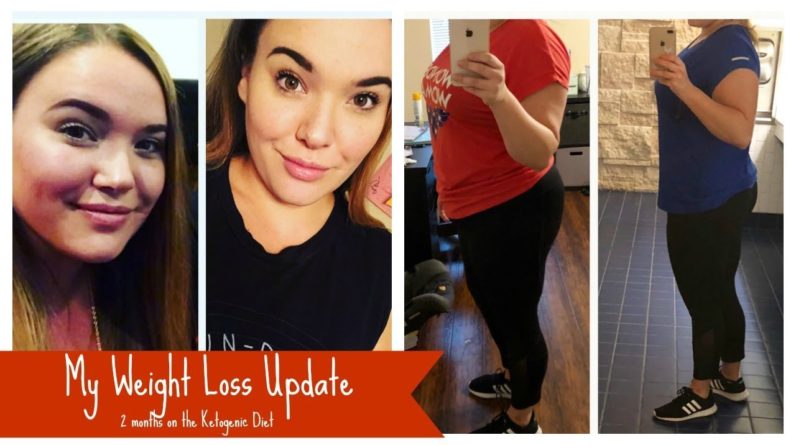
The ketogenic diet has remained one of the most talked-about approaches to eating for the better part of a decade, praised by some for rapid weight loss results and questioned by others for its restrictiveness. Cutting through the noise requires understanding what the diet actually does inside the body, not just the before-and-after photos that tend to dominate its reputation online.
At its core, keto is a high-fat, very-low-carbohydrate eating approach designed to shift the body’s primary fuel source from glucose to fat. Understanding this underlying mechanism makes it much easier to evaluate whether the diet is a good fit for your goals and lifestyle.

What the Ketogenic Diet Actually Is
A standard ketogenic diet typically breaks down macronutrients roughly as follows: 70 to 75 percent of calories from fat, 20 to 25 percent from protein, and just 5 to 10 percent from carbohydrates. For most people, this means limiting carbohydrate intake to somewhere between 20 and 50 grams per day, a dramatic reduction compared to typical dietary patterns.
This level of carbohydrate restriction is deliberate. It’s low enough to deplete the body’s glycogen stores, the stored form of carbohydrates in the liver and muscles, forcing the body to find an alternative fuel source.
Understanding Ketosis
When carbohydrate intake drops low enough, the body shifts into a metabolic state called ketosis. In this state, the liver begins converting fat into molecules called ketones, which serve as an alternative fuel source for the brain and body in place of glucose.
This metabolic shift typically takes anywhere from two to four days of strict carbohydrate restriction, though the exact timeline varies based on individual factors like activity level, muscle mass, and how strictly carbohydrates are limited.
Once in ketosis, many people report a period of adjustment often referred to as the “keto flu,” involving symptoms like fatigue, headache, irritability, and brain fog as the body adapts to its new primary fuel source. This typically resolves within a week or two as the body becomes more efficient at using fat and ketones for energy.
What You Can and Can’t Eat
Successfully following a ketogenic diet requires a significant shift in how meals are structured, moving away from grains, most fruits, and starchy vegetables toward fat and protein-centered meals.
Keto-Friendly Foods
- Fats and oils: olive oil, coconut oil, butter, avocado oil
- Protein sources: meat, poultry, fish, eggs, and in moderation, cheese
- Low-carb vegetables: leafy greens, broccoli, cauliflower, zucchini, peppers
- Healthy fat sources: avocados, nuts, seeds, and nut butters
- Full-fat dairy: cheese, heavy cream, plain full-fat yogurt in moderation
Foods to Limit or Avoid
- Grains and starches: bread, rice, pasta, cereal, oats
- Most fruits: particularly high-sugar fruits like bananas, grapes, and mangoes, though small portions of berries are sometimes included
- Legumes: beans, lentils, and chickpeas, due to their carbohydrate content
- Starchy vegetables: potatoes, corn, and peas
- Sugar and sweeteners: most conventional sugars, though some keto-friendly sweeteners exist
- Most processed foods: many contain hidden carbohydrates and added sugars
Potential Benefits of the Ketogenic Diet
Weight loss. Many people experience meaningful weight loss on keto, partly due to the appetite-suppressing effects of higher fat and protein intake, and partly due to reduced overall calorie intake that often accompanies eliminating entire food categories.
Blood sugar management. By dramatically limiting carbohydrate intake, keto can help stabilize blood sugar levels, which has made it a topic of interest for some people managing type 2 diabetes, generally under medical supervision.
Reduced hunger and cravings. Higher fat and protein intake tends to be more satiating than carbohydrate-heavy meals, which can make calorie management easier for some people, particularly compared to low-fat diets that may leave them feeling hungry.
Mental clarity for some individuals. Some people report improved mental focus once fully adapted to ketosis, though this effect varies significantly and isn’t universally experienced.
Potential Downsides and Considerations
The adjustment period. The keto flu, along with the general difficulty of dramatically shifting eating habits, makes the first few weeks challenging for many people.
Nutrient gaps. Eliminating entire food categories, particularly fruits, whole grains, and legumes, can create gaps in fiber, certain vitamins, and minerals if the diet isn’t carefully planned.
Sustainability. The restrictive nature of keto makes it difficult for many people to maintain long-term, particularly in social situations, travel, or dining out, where suitable options can be limited.
Digestive changes. Reduced fiber intake, common on a strict ketogenic diet, can lead to digestive issues like constipation for some people if not carefully managed with adequate low-carb vegetable intake.
Not appropriate for everyone. People with certain medical conditions, including some liver, kidney, or pancreatic conditions, should not attempt keto without medical supervision. It’s also generally not recommended during pregnancy without direct guidance from a healthcare provider.
Common Mistakes When Starting Keto
Not tracking carbohydrate intake closely enough. Many “low-carb” foods still contain enough carbohydrates to prevent ketosis if eaten in typical portions. Precise tracking, at least initially, helps ensure intake stays within the necessary range.
Neglecting electrolytes. The shift away from processed foods and the diuretic effect of early ketosis can lead to electrolyte imbalances, particularly sodium, potassium, and magnesium. Many keto practitioners find that increasing salt intake and prioritizing electrolyte-rich foods helps minimize symptoms of the keto flu.
Eating too much protein. While protein intake is higher than on a typical diet, excessive protein can actually interfere with ketosis in some individuals, since the body can convert excess protein into glucose through a process called gluconeogenesis.
Not eating enough vegetables. It’s possible to technically follow keto while eating very few vegetables, which shortchanges fiber, vitamins, and minerals. Prioritizing low-carb vegetables helps maintain nutritional balance within the diet’s restrictions.
Expecting immediate results. The adaptation period to ketosis takes time, and initial weight changes are often largely water weight as glycogen stores deplete. Sustainable fat loss follows a more gradual timeline.
Is Keto Right for You?
The ketogenic diet isn’t inherently better or worse than other dietary approaches; it’s simply a different tool that works well for some people and poorly for others. It tends to suit people who:
- Prefer a structured, clearly defined eating framework
- Don’t mind a significant reduction in food variety
- Are specifically working on blood sugar management under medical guidance
- Have tried other approaches without success and are looking for a different strategy
It tends to be a poorer fit for people who value food flexibility, participate in high-intensity endurance sports that benefit from higher carbohydrate availability, or have a history of disordered eating, where highly restrictive diets can be particularly risky.
Talking to a Healthcare Provider
Given the significant dietary shift involved, and the fact that keto isn’t appropriate for everyone, it’s worth discussing the diet with a doctor or registered dietitian before starting, particularly for anyone with existing health conditions, taking medications, or with a history of disordered eating. A healthcare provider can help determine whether keto is appropriate and, if so, how to approach it safely.
The Bottom Line
The ketogenic diet works by fundamentally shifting the body’s fuel source from carbohydrates to fat, producing a metabolic state that offers real benefits for some people, particularly around weight management and blood sugar control. It also comes with real tradeoffs: a challenging adjustment period, reduced food flexibility, and a level of restrictiveness that makes long-term adherence difficult for many.
Like most dietary approaches, success with keto comes down to whether it fits sustainably into your lifestyle, preferences, and health needs. Understanding both the potential benefits and the realistic challenges before starting puts you in a much better position to decide whether it’s worth trying, and how to approach it in a way that actually works for you.